People
Safety, training, inclusion, and technical clarity help teams make better decisions at the plant, lab, and customer interface.
Celanese approaches sustainability as an operating discipline: safer sites, transparent product stewardship, circular material pathways, energy efficiency, and data that customers can use inside their own decisions.
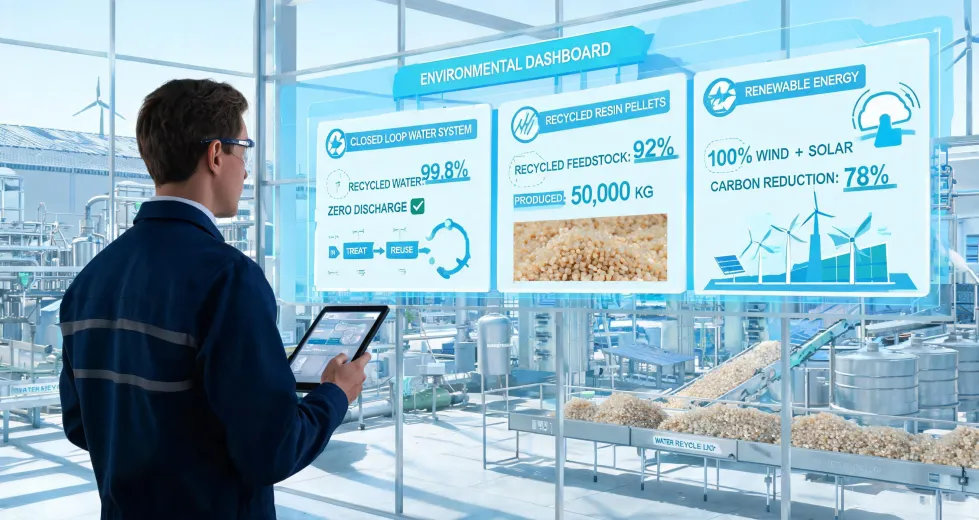
We commit to making progress visible and practical. That means connecting sustainability goals to manufacturing routines, material development, supplier conversations, and customer qualification processes. Customers need credible options, not isolated claims. Our work is to build polymer solutions and service practices that help them improve performance while managing environmental, regulatory, and supply risk.
Safety, training, inclusion, and technical clarity help teams make better decisions at the plant, lab, and customer interface.
Energy efficiency, responsible water use, emissions management, and waste reduction are tracked as part of resilient operations.
Product stewardship, SDS access, regulatory review, and disciplined change communication support responsible material use.
Durable polymers can help reduce weight, extend service life, improve process efficiency, and support smarter product design.
External frameworks do not replace operational work, but they help create a shared language for customers, investors, and employees. Celanese uses these signals alongside site-level metrics and product stewardship reviews to keep sustainability conversations grounded in measurable action.
Strategy, metrics, and progress updates across operations and product stewardship.
Request documentEnergy, emissions, and efficiency programs with a practical view of manufacturing impact.
Request documentWater reuse, site controls, product documentation, and responsible care priorities.
Request documentSustainability in polymer chemistry is not a single section of a website. It is a set of decisions repeated across product development, procurement, plant operations, customer support, and end-use design. Celanese therefore keeps its sustainability program connected to commercial and technical realities. When a customer asks for a lower-impact option, the answer may involve feedstock strategy, grade selection, part design, processing conditions, documentation, logistics, and end-of-life considerations. The goal is to help teams make choices that are technically credible and operationally realistic.
Tell us which document, region, and product family you need. We will route the request to the right Celanese team.